
Travel guide
Fiji is warm year-round, but rainfall, humidity and local conditions change with the season and location. Use this as a planning overview, then check an up-to-date forecast and the guidance for the islands on your itinerary before travel.
Tourism Fiji describes November through April as the warmer, wetter summer period and May through October as the generally drier winter period. Conditions can differ across and within the larger islands: mountains and prevailing winds affect rainfall, while smaller islands can be more consistent across a short distance.
Tourism Fiji: weather in Fiji
Choose timing around your priorities
- For a trip centred on generally drier conditions, compare dates in the May-to-October period, while remembering that rain remains possible.
- For November-to-April travel, plan for warmer and more humid conditions, intermittent rain and flexibility in outdoor arrangements.
- Do not treat an island-wide forecast as a promise for every beach, village or activity; check the local operator or accommodation before committing to weather-sensitive plans.
- Keep allowance in your itinerary for transport or sea-condition changes, especially when travelling between islands.
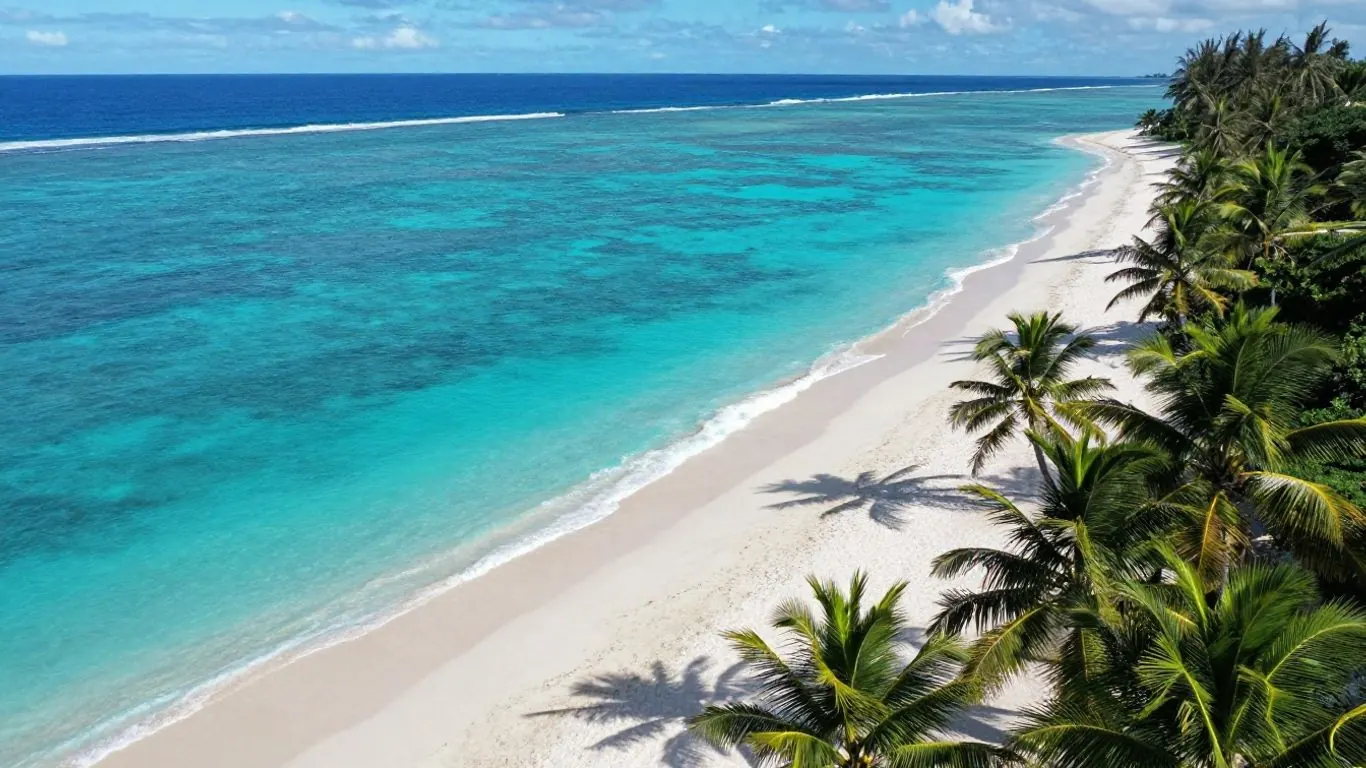
Prepare rather than rely on a month-by-month sales claim
Pack for sun, rain and humidity, and recheck conditions close to departure. Your itinerary, tolerance for rain, activities and current conditions matter more than a generic ranking.
Tourism Fiji: climate and seasons
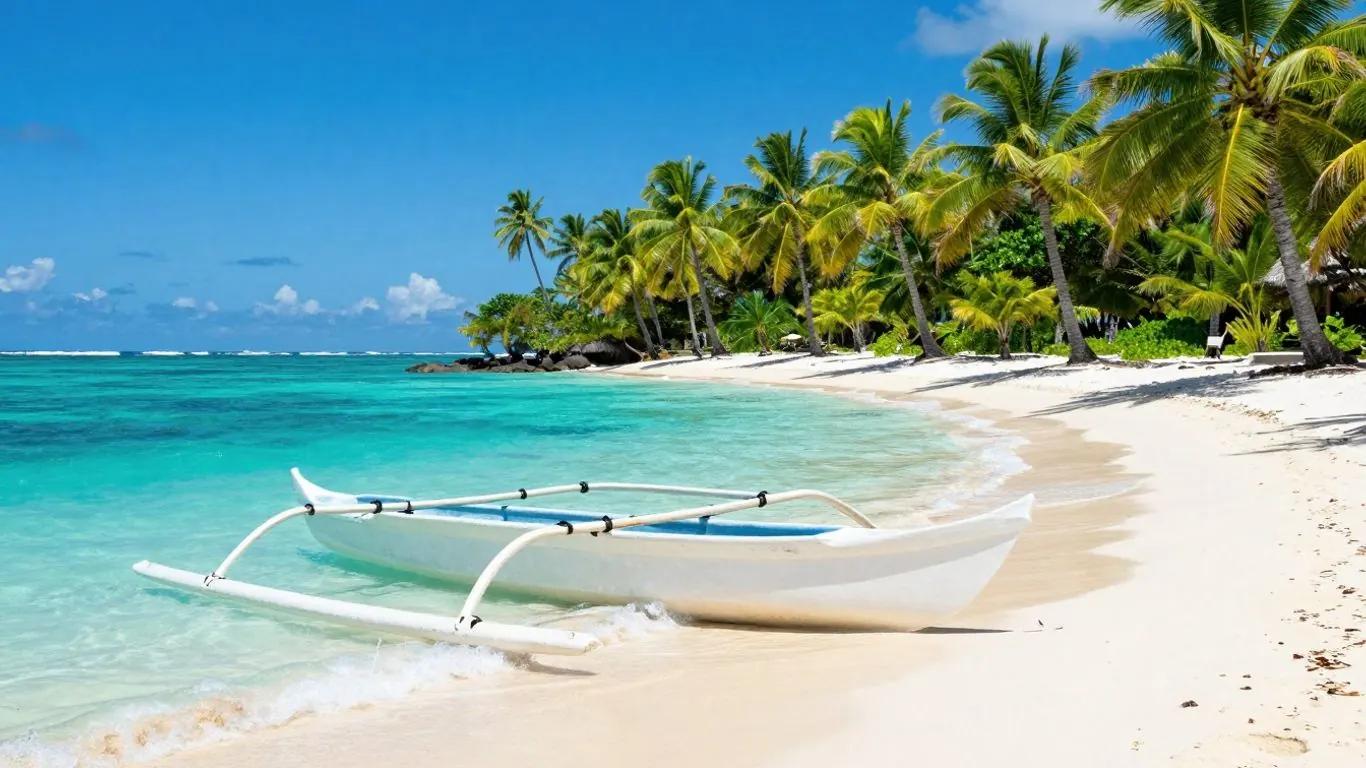
Cyclone season
The November-to-April wet season is also the tropical cyclone season for Fiji. Many trips in these months are unaffected, but follow the Fiji Meteorological Service, check what your travel insurance covers for weather disruption, and read the rainy season guide before booking.
Wetter and drier sides of Viti Levu
On Viti Levu, the western side around Nadi and Lautoka, together with the nearby Mamanuca Islands, is generally drier and sunnier than the eastern side around Suva, which receives considerably more rain. If a forecast looks wet for one region, the other may be quite different.
Seasons for activities
Weather is only one part of timing. Humpback whales visit Fijian waters in the cooler months (see the humpback whale guide), surf conditions vary by season (see surfing in Fiji), and diving visibility can change with rain runoff near river mouths.
Temperature, sea and highlands
Coastal days stay warm throughout the year, and the sea is warm enough for swimming and snorkelling in every month, though a rash guard helps with sun and longer snorkels. Nights in the drier months can feel noticeably cooler, especially in highland areas and on boats, so pack a light layer.
Humidity is highest in the wetter months, so plan strenuous hikes for the early morning, carry more water than you think you need, and choose breathable clothing.
What wet-season rain is often like
Wet-season rain often comes as heavy showers rather than all-day rain, and a morning downpour can clear to a bright afternoon. Prolonged rain does happen, though, and it can make rivers rise and unsealed roads slippery, which affects waterfall hikes and inland tours.
Where to check forecasts
Use the Fiji Meteorological Service for forecasts and warnings, and ask your accommodation or boat operator about sea conditions before transfers. For island hopping, check a day ahead; boat operators can change or cancel departures when the sea is rough.
Long-range forecasts are not reliable enough to plan individual days weeks ahead. Instead, book flexible activities for the middle of your stay, keep a few indoor or sheltered options in mind, such as a spa visit, cooking class or museum in Suva, and move outdoor plans around as the forecast firms up. If your main reason for travelling is diving, sailing or surfing, ask the operator which months usually give the conditions you need.
Building weather into the itinerary
In the November-to-April wetter period, allow a spare day around boat transfers and key outdoor plans, since rain and sea conditions can shift them.
Check the forecast with your accommodation or activity operator the day before weather-sensitive outings such as boat trips, hikes or snorkelling.
Frequently asked questions
When is Fiji’s drier season?
Tourism Fiji describes May through October as the generally drier winter period, though rain is still possible.
What is the weather like from November to April?
Warmer, more humid and wetter, with intermittent rain. Keep outdoor plans and boat transfers flexible.
Is the weather the same across Fiji?
No. Mountains and prevailing winds affect rainfall on the larger islands, so check local conditions for each place on your itinerary.