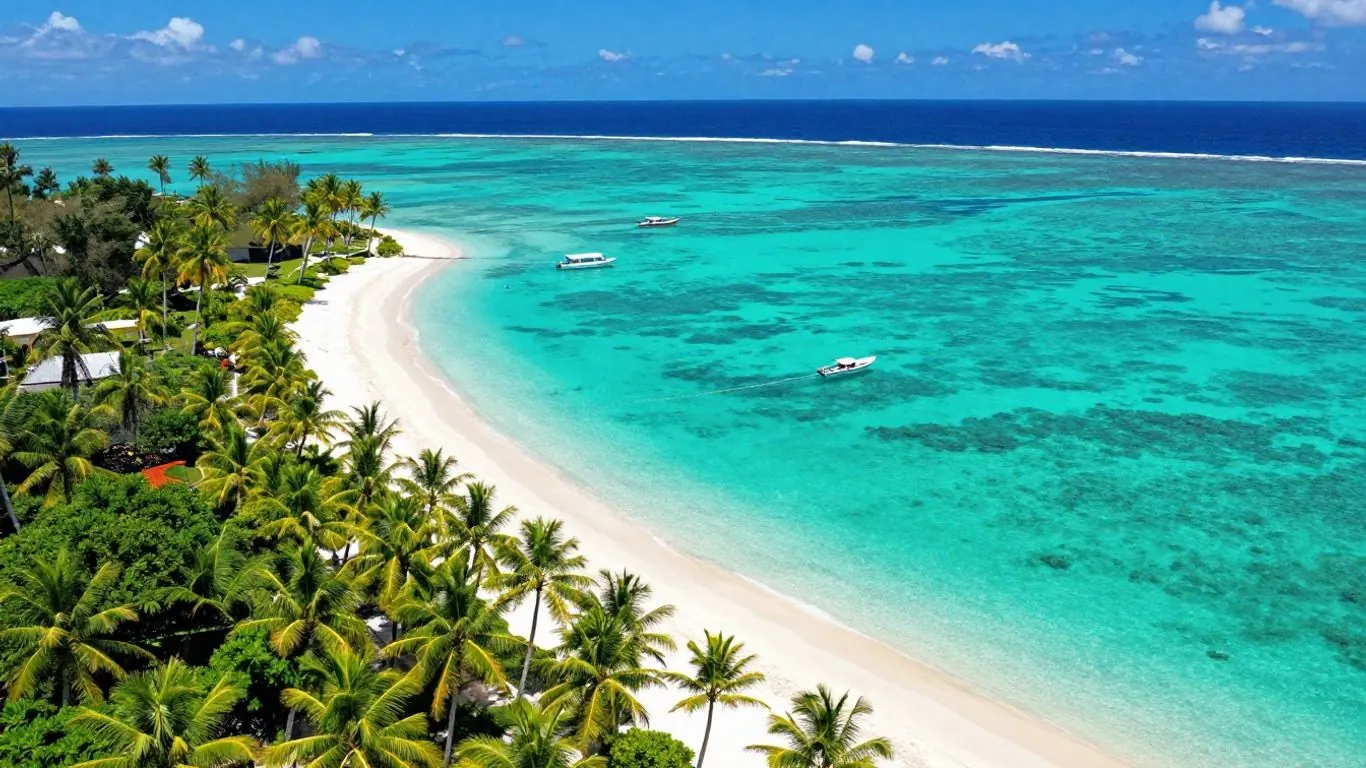
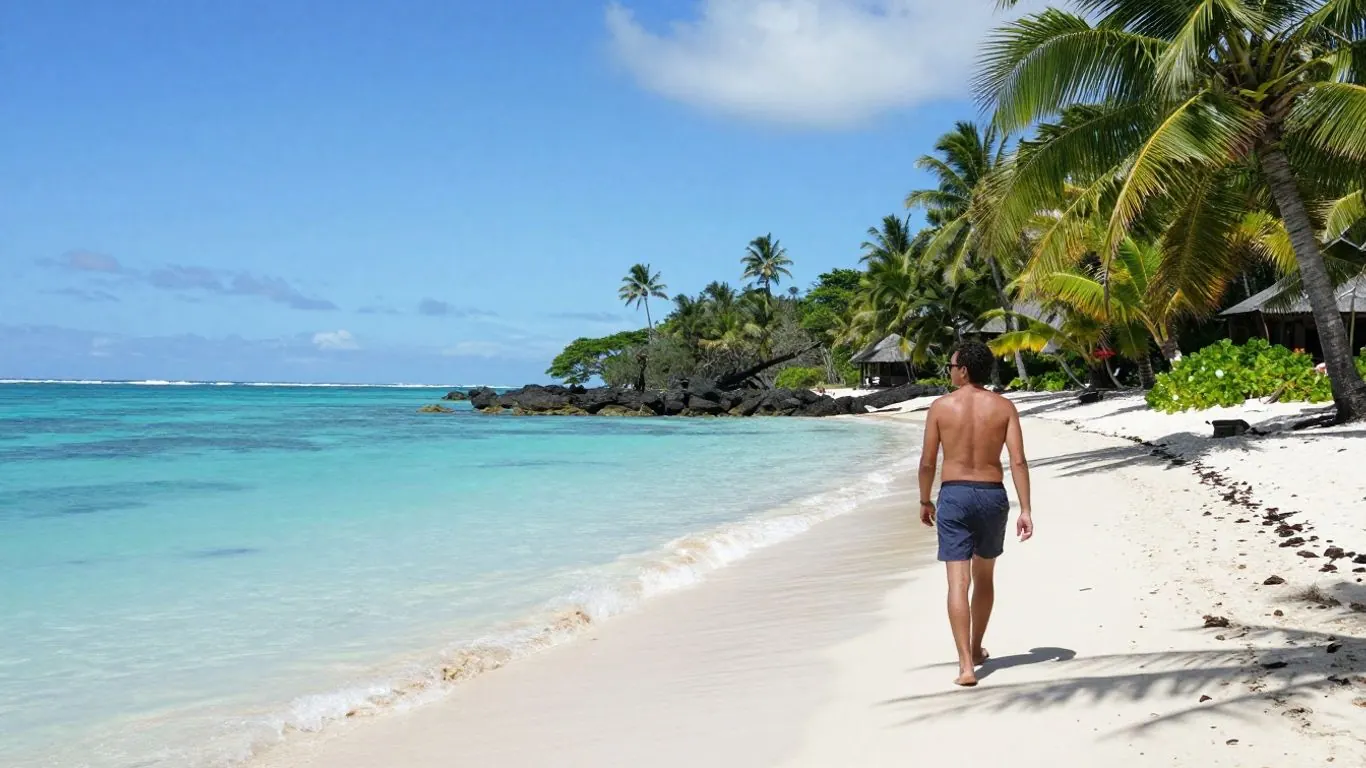
Hawaii is the easier trip: roughly six and a half hours nonstop from Vancouver, no currency change for Americans and a familiar US setting. Fiji takes about twice the flying time and crosses the date line, but it rewards that effort with reef-sheltered lagoons, small island resorts and a culture you experience in villages rather than at shows. For a short break, Hawaii usually wins; for a week or more where you want to feel properly away, Fiji often does.
Flight time and getting there
From Western Canada the gap is clear. Nonstop flights from Vancouver to Honolulu with Air Canada and WestJet are scheduled at roughly 6.5 hours. Fiji Airways is the only airline flying nonstop from Vancouver to Nadi, and its schedule typically has flights leaving YVR late at night and landing in Nadi early in the morning two calendar days later, a flight time of roughly 11 hours (AeroRoutes schedule filing). Our Vancouver to Fiji flights guide covers days, seats and connections.
What that means in practice:
- Hawaii works for a long weekend or a one-week trip with little recovery time. Hawaii sits two or three hours behind Pacific time depending on the season.
- Fiji is an overnight flight that lands at dawn. You lose a day going and gain it back coming home. Plan at least seven nights so the travel days don't dominate.
- From eastern Canada or the US, both involve a connection on the West Coast, so the difference in total travel time narrows in proportion but Fiji is still the longer trip.
Entry rules and money
Canadians visit both without a tourist visa. For Fiji, the Government of Canada says a tourist visa isn't required for stays of up to four months, your passport must be valid at least six months beyond your departure date, and customs may ask to see a return or onward ticket (Fiji travel advice). Hawaii follows normal US entry rules for Canadians.
Currency is a real difference. Hawaii is priced in US dollars, which matters for Canadians watching the exchange rate. Fiji uses the Fijian dollar; cards are accepted at most hotels and shops and ATMs are common in main centres, but carry some cash for villages and markets.
Cost: where the money goes
We won't quote a single figure because both destinations range from modest to extravagant. The pattern we see when pricing trips side by side is more useful:
| Cost area | Hawaii | Fiji |
|---|---|---|
| Airfare from Western Canada | Often lower, more airlines and frequencies | Usually higher, one nonstop carrier from Vancouver |
| Accommodation | Wide range; beachfront resorts in prime areas are expensive | Strong value at mid-range resorts; luxury private islands are costly |
| Meals | Restaurant and grocery prices close to mainland US or higher | Many island resorts require meal plans; mainland towns have inexpensive local food |
| Family deals | Varies by property | "Kids eat free" and "kids stay free" offers are common at family resorts |
| Getting around | Rental car usually needed | Transfers, boats and the Yasawa Flyer; no car needed at island resorts |
In Fiji, the flight is often the largest single cost, while on-the-ground spending can be lower than in Hawaii. Our Fiji travel cost breakdown goes line by line. Check current rates for both before deciding, as resort pricing moves with season and demand.
Beaches and water
This is where the two feel most different. Many Hawaiian beaches face open ocean, so swell, currents and swimming conditions change by shore and by season, and plenty of the famous sand is best for walking, surfing or watching rather than paddling with small kids. Hawaii also has dramatic volcanic coastline, black-sand beaches and big-wave surf culture.
Fiji's resort islands are mostly ringed by reef. Tourism Fiji notes that the Mamanuca Islands sit behind an extensive barrier reef with calm, clear lagoons, which is why snorkelling straight off the beach is normal at many resorts. The Yasawas are more rugged, with high grassy peaks and quieter bays. Surfers still have options: Cloudbreak and other reef breaks in the Mamanucas are world-class, though they're for experienced riders. For specific stretches of sand, see our best Fiji beaches list.
- Choose Hawaii for varied coastline, hiking and drives between lookouts, and surf.
- Choose Fiji for lagoon swimming, easy snorkelling and small-island settings where the beach is steps from your room.
Culture and pace
Hawaiian culture is present in language, place names, hula and food, but you experience it within a US state with highways, malls and chain restaurants. That familiarity is part of the appeal for many travellers.
In Fiji, the culture is the daily backdrop. Most land is held by Fijian communities, resort staff often come from nearby villages, and a village visit is a standard excursion rather than a staged performance. Visitors are expected to dress modestly in villages, remove hats and follow the protocol of presenting a sevusevu gift to the chief. Fiji also has a large Indo-Fijian community, so curries and roti are as everyday as lovo, the earth-oven feast. Our guide to Fijian culture and customs explains the etiquette before you go.
The pace is slower in Fiji. Island resorts are small, days are shaped by boat times and tides, and many guests stop planning after day two. Hawaii suits travellers who like to fill days with drives, hikes and restaurants.
Weather and seasons
Both are warm year-round, but their stormy seasons fall at opposite times of year. Fiji's tropical cyclone season runs November to April, and Tourism Fiji describes May to October as the generally drier, slightly cooler period. Canada's travel advice lists the Pacific hurricane season as mid-May to the end of November, which overlaps with Hawaii's busiest summer travel. If you can only travel in a particular month, that alone can tip the decision.
Bottom line
Pick Hawaii for shorter trips, lower airfare, US convenience and road-trip variety. Pick Fiji when you have at least a week, want reef-protected lagoons and small island resorts, and value a culture you meet in person. If you are torn, price the same dates for both, including flights, meal plans and transfers, and compare the totals rather than the room rates. We're happy to build that side-by-side quote for you.
Frequently asked questions
Is Fiji more expensive than Hawaii?
Airfare to Fiji is usually higher, but accommodation, family deals and local food can make the total similar or lower. It depends on the resort, season and whether island meal plans are required.
Which is better for families with young children?
Fiji's reef-sheltered lagoons and free kids clubs suit young families well, but the long overnight flight is a factor. Hawaii's shorter flight is easier with toddlers if beach calmness matters less.
Can I visit Fiji and Hawaii on one trip?
It is possible with a stopover, but schedules change often. Ask us to check current routings for your dates before planning around it.