Travel guide
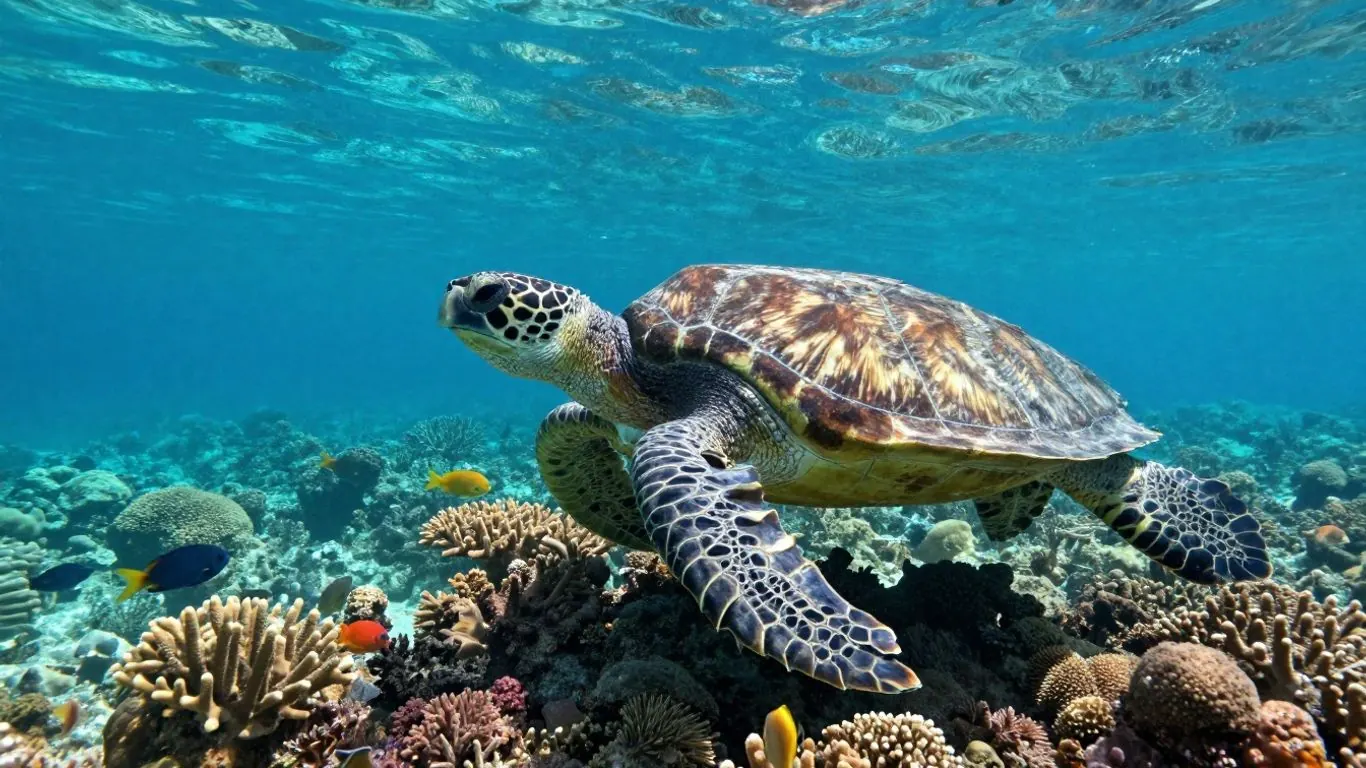
Five of the world’s seven sea turtle species occur in Fijian waters. Green and hawksbill turtles are the species visitors are most likely to encounter while snorkelling, particularly around seagrass beds and reefs. Every sighting is a wildlife encounter, so no beach, reef, resort or tour can guarantee one.
Where visitors may encounter turtles
Tourism Fiji identifies selected locations in the Mamanuca and Yasawa island groups as places associated with turtle sanctuaries or protection programs. It also notes that marine protected areas often support healthier reefs. Conditions, access and conservation activities can change, so confirm current information directly with a licensed operator before booking.
Turtles may also be encountered naturally while snorkelling or diving elsewhere in Fiji. Choose an operator that provides safety guidance, respects protected areas and does not promise close contact with wildlife.
Observe without interfering
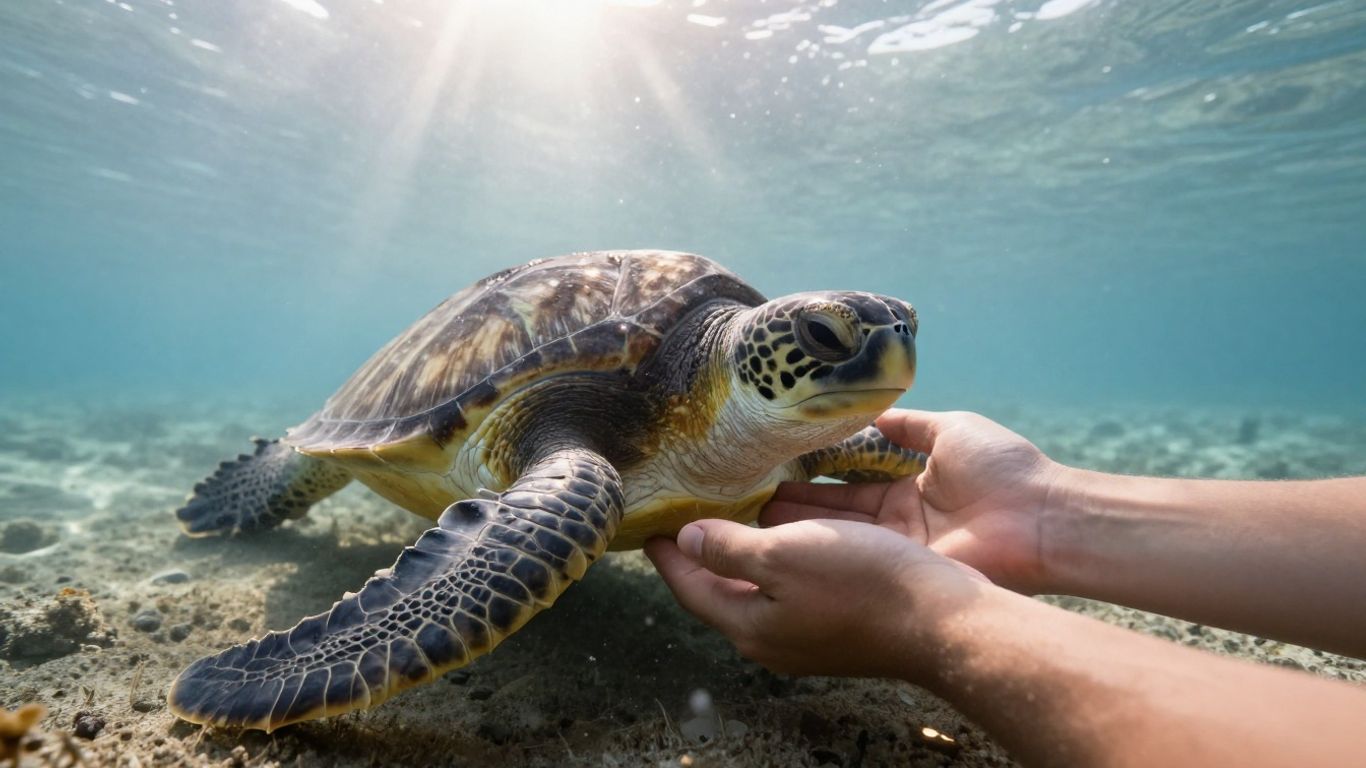
- Keep at least 10 metres from a sea turtle.
- Do not touch, chase, catch, ride or feed turtles.
- Never block a turtle’s route to the surface or surround it.
- Move slowly and quietly, and leave if the animal changes direction or behaviour.
- Do not handle eggs or hatchlings, and keep nesting beaches dark and unobstructed.
- Follow the guide’s safety instructions and avoid standing on coral or seagrass.
Why responsible viewing matters
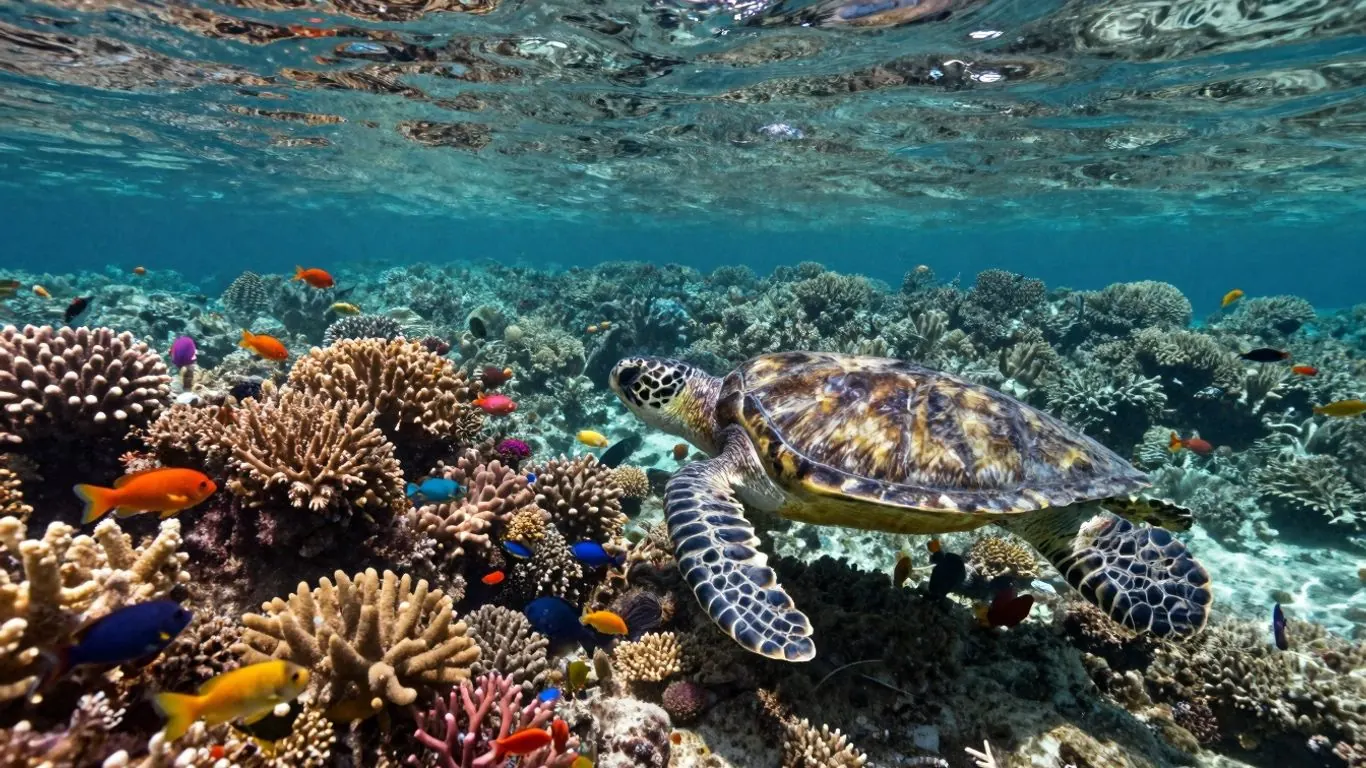
Sea turtles are protected under Fijian law. Fiji’s government and conservation partners monitor nesting sites, research turtle populations and address threats including bycatch, pollution and habitat pressure. Disturbance can interrupt feeding, resting, breathing and nesting behaviour.
Choose conservation claims carefully
A business using the words sanctuary, rehabilitation or release is not automatically following current best practice. Pacific regional guidance says captive rearing or holding turtles for public viewing is not generally supported as tourism practice and should be assessed separately by the relevant government authority. Ask who authorizes the program, what qualified conservation organization oversees it and whether guests are expected to touch or feed animals.
Plan a safer snorkelling trip
Use a certified guide when travelling offshore, confirm that the boat operator is licensed by Fiji’s Maritime Safety Authority, wear suitable flotation equipment when needed and avoid swimming in unsafe weather or currents. The best turtle encounter is one in which the animal can continue behaving naturally.
Snorkelling technique around turtles
Float calmly at the surface and let a turtle pass rather than swimming towards it. Keep your fins high and away from coral and seagrass, avoid kicking near the animal, and give it a clear route to the surface to breathe. A slow, quiet group sees more natural behaviour than one that crowds in for photos.
Choosing where to stay
Resorts with a healthy house reef or nearby seagrass beds give you several chances to snorkel without a long boat ride. Both the Mamanuca Islands and the Yasawa Islands have island stays built around reef access; ask the resort what wildlife guests usually see and whether it supports any turtle monitoring.
Never buy turtle products
Do not buy jewellery, combs or ornaments made from turtle shell. Sea turtles are protected under Fijian law, and international trade in turtle products is restricted under CITES, so these items can also be seized at your home border.
Photographing turtles responsibly
Let the turtle come into frame rather than chasing it, and shoot from the side or slightly below instead of diving down on top of it. Avoid using flash close to the animal, never hold onto coral to steady yourself, and use a wrist strap so your hands stay free. If the turtle turns away, let it go; another chance usually comes on a later swim.
Share photos without location tags for nesting beaches, and report an injured or entangled turtle to your guide or resort rather than trying to help it yourself.
Planning time for turtle encounters
If seeing turtles matters to you, stay several days near reefs or seagrass beds with good snorkelling rather than relying on a single day trip.
Ask the operator whether it is licensed by Fiji’s Maritime Safety Authority, what distance rules its guides follow, and whether guests are ever asked to touch or feed animals.
Frequently asked questions
Which sea turtles am I most likely to see in Fiji?
Green and hawksbill turtles are the species visitors most often encounter while snorkelling, particularly around seagrass beds and reefs.
How close can I get to a turtle?
Keep at least 10 metres away, and never touch, chase, feed or surround the animal.
Can a tour guarantee a turtle sighting?
No. Turtles are wild, and an operator that promises close contact is a reason to look elsewhere.