Thinking about a trip to Fiji and want to see more than just one beach? You’re in luck! Fiji is made up of over 300 islands, and the absolute best way to experience their unique vibes is by hopping between them. Forget just picking one spot; island-hopping in Fiji lets you soak up all the different landscapes, from calm, clear waters to dramatic, rugged shores. It’s how you really get a feel for this amazing part of the world. We’ll help you figure out the best way to plan your adventure, so you can just relax and enjoy the sunshine.
Key Takeaways
Fiji’s true charm unfolds when you explore multiple islands, offering a diverse range of experiences beyond a single destination.
The Mamanuca and Yasawa Islands are popular starting points, offering a mix of accessibility and natural beauty.
Planning your itinerary involves balancing relaxation with adventure, and considering how long to stay on each island.
Engaging with local culture through ceremonies and village visits provides a deeper connection to Fiji.
Choosing the right transport, like ferries or small planes, is key to a smooth Fiji island hopping experience.
Embrace the Magic of Fiji Island Hopping
Fiji isn’t just one place; it’s a sprawling collection of over 300 islands, each with its own vibe. Trying to pick just one can feel like choosing a favorite star in the sky – impossible, and you’d miss out on so many others. That’s where island hopping comes in. It’s the best way to really get a feel for what makes Fiji so special.
Discover Fiji’s Diverse Archipelago
Think of Fiji’s islands like different personalities. You’ve got the Mamanucas, which are generally easier to get to and have a bit more going on – think lively spots and convenient amenities. Then you venture further out to the Yasawas, and things get a little more remote. Here, you might find places where electricity is a bit more of a luxury, and the night sky is absolutely breathtaking. This contrast, from the more developed to the truly wild, is part of the adventure.
Why Island Hopping Unlocks Fiji’s True Potential
Sticking to one island is fine, but you’re only seeing a sliver of the picture. Island hopping lets you experience the full spectrum. One day you could be snorkeling over colorful reefs, the next you might be learning about local traditions in a village, and the day after that, you could be relaxing on a beach that feels like your own private paradise. It’s about experiencing the variety – the different landscapes, the unique cultures, and the sheer beauty that stretches across the archipelago.
Seamless Travel Between Unique Islands
Getting between islands in Fiji is surprisingly straightforward. There are regular ferry services, like the well-known Yasawa Flyer, that connect many of the popular spots. For a quicker or more scenic route, seaplanes and small aircraft are also an option. This network makes it possible to string together a trip that flows, allowing you to move from one island experience to the next without too much hassle. It’s about making the journey part of the fun, not a chore.
The real charm of Fiji lies in its diversity. Each island offers a distinct experience, from the vibrant underwater life of the Mamanucas to the dramatic landscapes of the Yasawas. Island hopping allows you to witness these contrasts firsthand, creating a richer and more memorable holiday.
Navigating Fiji’s Island Chains
Fiji isn’t just one place; it’s a sprawling collection of over 300 islands, each with its own unique feel. When you’re planning your island-hopping adventure, you’ll quickly notice a few main groups that most trips tend to focus on, and for good reason. These chains offer a fantastic introduction to the diversity of the Fijian archipelago.
The Accessible Mamanuca Islands
Think of the Mamanucas as Fiji’s welcoming front porch. Located just a short boat ride from the main island of Viti Levu, this cluster is super easy to get to. You’ll find a mix of well-developed resorts and smaller, more laid-back spots here. The waters are generally calm and incredibly clear, making them perfect for a first taste of snorkelling or just lounging on the beach. It’s a popular spot for day trips, but staying a few nights lets you really soak in the relaxed vibe. If you’re looking for convenience and beautiful scenery without a long journey, the Mamanucas are a great starting point. Many visitors find that spending a couple of days here is a perfect way to ease into the island life before heading further afield. It’s a good place to get your bearings and enjoy some classic tropical beauty.
The Dramatic Yasawa Islands
Venturing further north from the Mamanucas, you’ll enter the Yasawa Islands. This chain feels a bit more rugged and remote, offering a different kind of beauty. Picture dramatic volcanic peaks, long stretches of white-sand beaches, and waters that shift from brilliant turquoise to deep sapphire. The Yasawas are where you’ll find some of Fiji’s most iconic spots, like the famous Blue Lagoon. Life here tends to move at a slower pace, and you’ll get a more authentic feel for traditional Fijian village life. It’s a place where you might find yourself disconnected from the hustle and bustle, with generators sometimes powering the lights and WiFi being a rare treat. This is the Fiji you see in postcards, and it’s absolutely worth the journey.
Exploring Beyond the Classic Routes
While the Mamanucas and Yasawas are the most common island-hopping destinations, Fiji has so much more to offer if you’re willing to explore a bit off the beaten path. Islands like Kadavu, home to the Great Astrolabe Reef, are a dream for divers. Vanua Levu, the second-largest island, offers lush rainforests and waterfalls. Taveuni, known as the "Garden Island," is famous for its natural beauty and hiking trails. Including one of these less-visited islands can add a unique dimension to your trip, giving you a chance to experience Fiji away from the main tourist trails. It’s a way to find your own slice of paradise and discover something truly special. For those looking for a different kind of South Pacific adventure, consider looking into planning a trip to French Polynesia as well, though Fiji’s own outer islands hold unique charms.
Fiji’s island chains offer a spectrum of experiences, from the easily accessible and resort-rich Mamanucas to the wilder, more traditional Yasawas. Each group provides a distinct flavour of paradise, allowing travellers to tailor their journey based on desired pace and authenticity.
Crafting Your Ideal Island Itinerary
Planning an island-hopping trip in Fiji is all about finding that sweet spot between seeing as much as you can and actually getting to relax and soak it all in. It’s easy to get caught up in wanting to visit every single island, but trust me, you’ll want to slow down a bit. Fiji’s charm really shines when you give yourself time to just be there.
Balancing Adventure and Relaxation
Think about what you want most from this trip. Are you looking for non-stop activities, or do you prefer lazy days on the beach with a good book? Most people find a mix works best. You could spend a morning exploring a new island’s hidden waterfall, then dedicate the afternoon to simply lounging by the water. The key is to not overschedule yourself.
Here’s a way to think about it:
Active Days: Hiking to viewpoints, snorkeling vibrant reefs, visiting local villages.
Relaxation Days: Beach time, reading in a hammock, enjoying sunset walks.
Travel Days: Factor in time for transfers between islands – these can take a few hours.
Recommended Durations for Island Stays
How long you stay on each island really makes a difference. Rushing through can leave you feeling like you barely scratched the surface. For a good feel of an island, aim for at least two nights. This gives you one full day to explore and another to unwind before moving on.
If you’re heading to the Yasawas, giving yourself an extra night or two is highly recommended. These islands have a special kind of magic that you’ll want to savor. You might even consider a place like Motu Nao Nao for a truly secluded experience.
Tailoring Your Trip to Your Travel Style
Your ideal itinerary will look different depending on who you are and what you love. Are you traveling solo, as a couple, or with family?
For Families: Shorter boat rides are usually best. The Mamanuca Islands are often a good starting point with plenty of family-friendly resorts.
For Couples: You might want to mix lively islands with more secluded, romantic spots. Think about islands that offer private dining or quiet beaches.
For Adventure Seekers: Focus on islands known for their water sports, hiking trails, or proximity to dive sites. You might want to pack in more activities per day.
Planning ahead is smart, especially if you’re traveling during Fiji’s dry season, which runs from May to October. Booking your accommodations and inter-island transport in advance will save you a lot of hassle and ensure you get the spots you want. It’s better to have a solid plan, even if you leave a little room for spontaneity.
Immersive Cultural Experiences
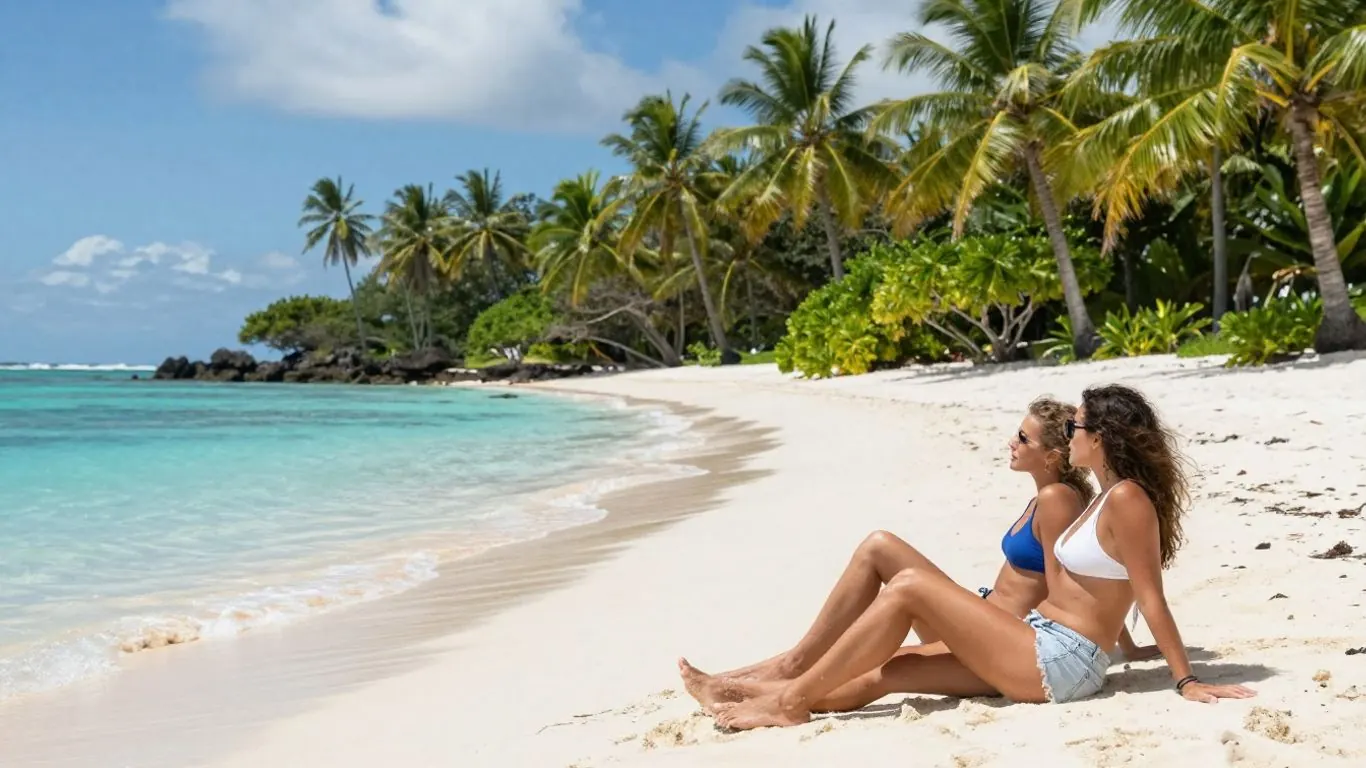
Fiji isn’t just about stunning beaches and clear blue water; it’s also about the people and their traditions. When you’re island hopping, you get a real chance to connect with the local culture in a way that staying in one spot just doesn’t offer. It’s pretty amazing how many islands still live much like they have for ages, with community and tradition at the heart of everything.
Participating in Traditional Kava Ceremonies
One of the most memorable experiences you can have is joining a kava ceremony. Kava, made from the root of a local plant, is Fiji’s traditional drink. It’s served in a special bowl during ceremonies and has a mildly numbing effect. It’s more than just a drink; it’s a way to welcome guests and is central to many social and ceremonial events. You’ll often be invited to participate when visiting a village, and it’s a great way to feel a genuine connection with your hosts. Just remember to follow the local customs when it’s offered to you – usually, you’ll clap three times after drinking.
Engaging with Fijian Village Life
Island hopping gives you the opportunity to step into the daily rhythm of Fijian village life. Many tours include visits to local villages where you can see firsthand how people live, farm, and fish. You might get to see a traditional lovo feast being prepared, where food is cooked underground on hot stones, giving it a unique, smoky flavor. It’s a chance to interact with families, perhaps share a song, and learn about their way of life. These aren’t staged performances; they’re genuine glimpses into a community.
Understanding Local Customs and Etiquette
To make the most of your cultural interactions, it helps to know a little about local customs. Always greet people with a friendly "Bula!" (hello). When visiting villages or someone’s home, it’s polite to dress modestly – cover your shoulders and knees. It’s also customary to remove hats before entering a home or church. Showing respect for elders and local traditions goes a long way in creating positive experiences. Remember, these are living communities, and a little awareness makes your visit more meaningful for everyone involved.
Here are a few key points to keep in mind:
Greetings: Always start with "Bula!"
Dress Code: Modest attire is appreciated in villages and churches.
Gifts: Small gifts like school supplies for children or practical items for the village are often welcomed, but not expected.
Photography: Always ask permission before taking photos of people.
The genuine warmth and hospitality of the Fijian people are truly what make the islands special. Taking the time to engage respectfully with their culture enriches the island-hopping experience far beyond just the beautiful scenery.
Underwater Wonders and Marine Encounters
From vibrant coral gardens to up-close moments with manta rays, Fiji’s islands deliver some of the most striking marine encounters anywhere in the Pacific. Whether you’re a first-time snorkeler or crave thrilling shark experiences, the underwater world in Fiji continually surprises and inspires.
Snorkeling and Diving in Vibrant Reefs
Shallow reefs near the shore are perfect for laid-back snorkeling. These spots bring you face-to-face with schools of colorful fish, anemones, and the occasional calm sea turtle. If you’re certified for deeper exploration, loads of resorts and local operators run trips to famous sites like Beqa Lagoon and the waters around Barefoot Manta and Kuata. The corals here are alive with movement, while encounters with small reef sharks, grouper, and rays are common.
Snorkeling highlights: Coral gardens just off the beach (great for beginners)
Frequent sightings of reef sharks, especially black and white tip varieties
Guided conservation dives, including coral planting sessions
Diving experiences range from mild to wild: Shark feeding events (for experienced divers)
Wrecks and wall dives near certain islands
Spend the afternoon floating above the reef, and the sheer number of fish—plus the constant play of color and shadow—can be almost hypnotic. Many travelers say it’s their top memory from Fiji.
Swimming with Majestic Manta Rays
Certain channels, especially around Barefoot Manta Island, are magnets for manta rays. May to October is considered prime season, with daily sightings common during these months. Resort conservation teams often keep an eye out for mantas, giving guests the heads-up for spontaneous trips when they come through. These gentle giants glide through strong currents while feeding—sometimes just a few feet from snorkelers.
Manta Ray Viewing Timetable
Tips for manta encounters:
Book directly with eco-minded operators
Listen to briefings; mantas are harmless but respect their space
Go early—sightings often happen at dawn
Exploring Hidden Coves and Lagoons
Many islands have secluded, quiet spots that are perfect for an easy swim or an hour or two of snorkeling. Look for calm bays at low tide—especially near smaller islands in the Yasawas—where you can discover giant clams and quiet coral bommies. These spots usually aren’t crowded, which means you get uninterrupted time to float, explore, and enjoy the soft sway of the sea.
Some must-try spots:
Moia Reef (for reef shark encounters)
Coral lagoons around Nanuya Balavu
Coves near the Blue Lagoon region in the Yasawas
If you want to see Fijian marine life at its most peaceful, drifting in a clear, protected lagoon as schools of tiny fish weave below is hard to beat.
Fiji’s underwater world is alive, accessible, and stunning—bring your mask, some curiosity, and enjoy the show.
Choosing Your Island Hopping Transportation
Getting from one Fijian island to another is part of the adventure, and thankfully, there are a few ways to do it. You’re not stuck on just one spot unless you want to be! The main ways to hop between islands usually involve ferries, and for a quicker, more scenic trip, seaplanes or small planes are an option. If you’re looking for something really special and have the budget, private charters are also available.
Utilizing Inter-Island Ferries
Ferries are the workhorses of Fiji’s island hopping scene, especially for connecting the popular Mamanuca and Yasawa island chains. Think of them as the public buses of the ocean. The most well-known is the Yasawa Flyer, a catamaran that runs a daily route. It’s a great way to see the islands from the water and meet other travelers. You can buy passes that let you hop on and off, giving you a lot of freedom to decide where you want to go and for how long. It’s a good idea to book these passes in advance, especially during busy times.
Daily Departures: The main ferries usually leave from Denarau Marina near Nadi in the morning.
Island Stops: They make scheduled stops at various resorts and islands along their routes.
Flexibility: Passes like the Bula Pass allow you to change your itinerary as you go, which is handy if you hear about a cool spot from someone you meet.
Scenic Seaplane and Small Aircraft Journeys
For those who want to skip the longer ferry rides or just want to see Fiji from a different angle, seaplanes and small aircraft are fantastic. They offer incredible views of the turquoise waters, coral reefs, and the scattered islands below. It’s a much faster way to get between islands, though it does come with a higher price tag. These flights are often booked as transfers to more remote resorts or for day trips. The experience of landing on the water in a seaplane is pretty memorable on its own!
Private Charters for Ultimate Flexibility
If you’re traveling with a group, looking for a truly exclusive experience, or just want to set your own schedule, a private charter might be the way to go. This could be a private boat or a small yacht. It means you can visit smaller, less accessible islands, stop for a swim whenever you like, and tailor your journey exactly to your preferences. It’s the most expensive option, but it offers unparalleled freedom and privacy for exploring Fiji’s beautiful waters.
When planning your transport, always factor in transfer times to and from the ferry or airstrip. Some smaller islands might require a short boat ride from the main ferry drop-off point, so pack accordingly and be ready for a little wading!
Accommodation Options for Every Traveler
Fiji’s islands offer a wide range of places to stay, fitting all sorts of travel plans and budgets. You can find everything from simple beach huts to really fancy places.
Boutique Beachfront Bungalows
These are often smaller, more personal spots right on the sand. Think of waking up to the sound of waves and stepping out onto your own little piece of paradise. They’re great for couples or anyone looking for a quiet, romantic vibe. Many offer stunning ocean views and a relaxed atmosphere. You might find places that feel really connected to the local culture, too.
Family-Friendly Resorts
If you’re traveling with kids, you’ll want places that have activities for them. Many resorts have kids’ clubs, pools with slides, and shallow beach areas perfect for little ones. They often have larger rooms or connecting options, and dining menus that cater to younger tastes. These spots make it easier to keep everyone happy and entertained.
Secluded Luxury Escapes
For those wanting ultimate privacy and pampering, Fiji has some incredible high-end options. These might be private villas, exclusive resorts, or even overwater bungalows. They usually come with top-notch service, private plunge pools, gourmet dining, and a sense of being away from it all. It’s the kind of place where you can truly unwind and be spoiled. Many of these high-end places are perfect for honeymoons .
When picking where to stay, think about what kind of trip you want:
Relaxation: Look for quiet bungalows or resorts with spas.
Adventure: Choose places close to good snorkeling spots or activity centers.
Family Fun: Prioritize resorts with kids’ programs and safe swimming areas.
Romance: Opt for secluded spots with beautiful views and private settings.
Fiji’s accommodation scene is really diverse. You can go for a simple, charming bure that feels very local, or you can splurge on a place with all the bells and whistles. The key is matching the accommodation to the kind of island experience you’re dreaming of. It’s all about finding that perfect spot to rest your head after a day of exploring.
Seasonal Considerations for Your Journey
When you’re planning your island-hopping adventure in Fiji, thinking about the time of year you’ll visit can make a big difference. Fiji has two main seasons, and each brings its own vibe to the islands.
The Dry Season’s Calm Seas and Clear Skies
From May through October, Fiji enjoys its dry season. This is generally considered the sweet spot for island hopping. The weather tends to be pleasant, with lower humidity and less rain. The seas are typically calmer during these months, making inter-island travel smoother and offering better visibility for snorkeling and diving. This period also coincides with the peak season for manta ray sightings in areas like the Yasawa Islands, usually from May to October. Because it’s so popular, booking accommodations and transport well in advance is a really good idea, especially if you’re traveling during school holidays in June, July, or August.
The Wet Season’s Lush Landscapes
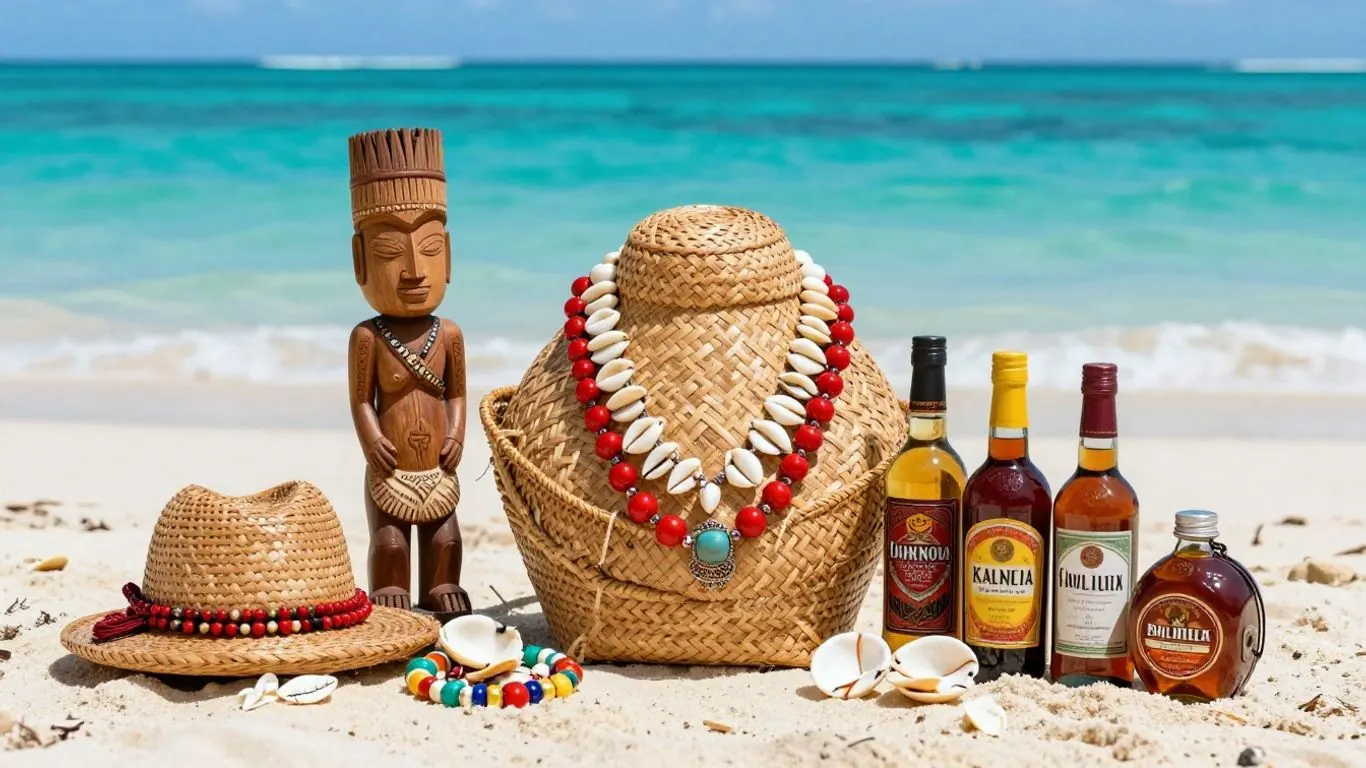
November to April marks Fiji’s wet season. You can expect higher humidity and more frequent rain showers, often in the afternoon. While this might sound less appealing, the rain keeps the islands incredibly green and lush. Waterfalls are often at their most impressive during this time. The upside? You’ll likely find fewer crowds and potentially lower prices for flights and stays, except around the Christmas and New Year holidays. While cyclones can occur between November and April, direct hits are not common, but it’s wise to have travel insurance that covers weather disruptions.
Timing Your Visit for Manta Ray Sightings
If swimming with manta rays is high on your list, timing is everything. The prime window for encountering these gentle giants is generally from May to October, particularly in the Yasawa Islands. Visiting during the shoulder months, like April or October, can sometimes offer a good balance – you might still catch manta rays, enjoy reasonable prices, and experience good weather before or after the peak dry season.
Here’s a quick look at what to expect:
May – October (Dry Season): Best for calm seas, clear skies, lower humidity. Peak manta ray season. Higher prices and more people. Book ahead.
November – April (Wet Season): Lush landscapes, fewer crowds, lower prices (except holidays). Higher humidity, chance of rain and storms. Cyclone season.
April & October (Shoulder Season): A good mix of decent weather, fewer crowds, and potentially better value. Manta ray sightings may still be possible.
Deciding when to go really depends on what you prioritize for your trip. If perfect weather and calm waters are your main concern, aim for the dry season. If you’re on a tighter budget or prefer fewer people, the wet season might work, just be prepared for the occasional downpour. And for specific wildlife encounters, like manta rays, research the best months for that particular experience.
Budget-Friendly Fiji Island Hopping
Island hopping in Fiji doesn’t have to drain your wallet. With smart planning, you can experience the magic of this archipelago without spending a fortune. It’s all about making savvy choices that stretch your budget further, allowing you more time to soak up the sun and the incredible scenery.
Maximizing Value with Package Deals
Package deals can be a fantastic way to manage costs, especially if you’re new to Fiji island hopping. Companies like Awesome Adventures Fiji offer various itineraries that bundle transportation, accommodation, and sometimes even meals and activities. These packages often provide a set route through popular island chains like the Mamanucas and Yasawas, which can be more economical than booking each leg separately. For instance, a "Coconut Cruiser" package might offer a taste of different islands over several days, including key experiences, at a fixed price. It simplifies planning and can offer a discount compared to individual bookings.
Island Explorer Packages: Look for multi-day packages that cover several islands. These often have tiered pricing based on duration and the number of islands visited.
Bula Combo Pass: This option from Awesome Adventures Fiji combines transport with accommodation, giving you flexibility to choose your stays while benefiting from a pre-paid travel plan.
Early Bird Discounts: Keep an eye out for deals offered for booking well in advance, especially if you’re traveling during peak season.
The key is to compare what’s included in a package versus the cost of booking each component individually. Sometimes, a package offers convenience and savings, while other times, a more independent approach might be cheaper.
Smart Savings on Food and Drink
Food and drinks can add up quickly, especially on remote islands where options are limited to resort restaurants. Here are a few ways to keep those costs down:
Meal Plans: Many resorts offer meal plans, which can be more cost-effective than paying for individual meals. These are often compulsory on more remote islands, so factor them into your budget. They typically cover breakfast, lunch, and dinner.
Fresh Local Snacks: Pick up fruit, nuts and snacks at a Nadi or Denarau supermarket before you head out. Snacks and extras can be quite expensive in the islands.
Reusable Water Bottle: Bring a good quality reusable water bottle. Many resorts offer filtered water refills, saving you money on buying bottled water and reducing plastic waste.
Leveraging Off-Peak Travel Opportunities
Timing your visit can significantly impact your budget. Traveling during Fiji’s shoulder seasons or wet season can lead to substantial savings on accommodation and sometimes even flights.
Shoulder Seasons (April-May & October-November): You’ll often find lower prices on accommodation and fewer crowds. The weather is generally still very pleasant, though you might encounter occasional rain showers.
Wet Season (November-April): This period typically sees the lowest prices. While it’s the rainy season, showers are often brief and intense, followed by sunshine. The landscapes are incredibly lush, and waterfalls are at their most spectacular. Be aware that sea conditions can sometimes be rougher, and it’s also cyclone season, so travel insurance is advisable.
Choosing to travel outside the peak dry season (June-September) can unlock considerable savings, allowing you to experience Fiji’s beauty for less.
Essential Tips for a Smooth Adventure
Planning a trip to Fiji’s islands can feel a bit overwhelming with so many choices, but a few smart moves can make your journey way more enjoyable. Think of these as your little helpers to keep things running smoothly.
Packing Essentials for Tropical Exploration
Packing light but smart is key. You’ll want to bring clothes that dry fast, like quick-dry fabrics. Don’t forget a good hat and plenty of sunscreen – that Fijian sun is no joke! A reusable water bottle is also a must; many islands have great water, and you’ll save money and plastic.
Lightweight, quick-drying clothing
Swimwear (multiple suits are handy)
Reef-safe sunscreen and insect repellent
Hat and sunglasses
Reusable water bottle
Waterproof bag for electronics
A good book or two
Navigating Island Transfers with Ease
Getting between islands is part of the fun! The main way most people travel is by ferry, like the Yasawa Flyer. It’s like a bus service for the islands, running daily. You can buy passes that let you hop on and off.
The Yasawa Flyer departs from Port Denarau near Nadi each morning, so plan your arrival accordingly to catch it.
When you get to an island, you might need to take a smaller boat to get to shore. Be ready to hop off and maybe walk through shallow water, so wear shoes you don’t mind getting wet.
Booking Accommodations in Advance
While Fiji has a relaxed vibe, it’s a good idea to book your places to stay ahead of time, especially if you’re traveling during peak season. This is particularly true for popular spots or if you have specific resorts in mind. Package deals can sometimes bundle accommodation and transport, which can simplify things and potentially save you some cash. If you’re looking for something specific, like a beachfront bure, booking early means you’re more likely to get it.
Your Fijian Adventure Awaits
So, there you have it. Planning an island-hopping trip in Fiji might seem like a lot at first, but honestly, it’s where the real magic happens. You get to see so many different sides of this amazing place, from the busy spots to the really quiet, untouched islands. It’s not just about the beaches, though they are pretty spectacular. It’s about the people, the culture, and the feeling of discovering something new around every corner. Whether you’re looking for adventure, pure relaxation, or a bit of both, Fiji’s islands have something for everyone. Don’t just dream about it – start planning your own unforgettable journey through this South Pacific paradise. You won’t regret it.
How many islands should I visit in Fiji?
It’s a great idea to visit two or three different island groups if you have about a week to 10 days. This way, you get to see a lot of different things without feeling too rushed.
Is Fiji a good place for families to travel?
Absolutely! Fiji is super family-friendly. The beaches are safe for kids, the people are really nice and welcoming, and there are lots of fun activities for children.
What’s the best time of year to go island hopping in Fiji?
The dry season, from April to October, is usually the best time. The weather is nice, and the seas are calm, making travel between islands easier. If you want to see manta rays, May to October is your best bet.
How do I travel between the islands in Fiji?
You can use ferries, which are like buses for the islands. There are also seaplanes and small planes for faster trips with cool views from above. For a special trip, you can even rent a private boat.
Is it expensive to hop between islands in Fiji?
The cost can change depending on how you like to travel. Some travel packages can offer good value and help you see Fiji without spending too much money.
What should I pack for a Fiji island-hopping trip?
You’ll want light clothes, sunscreen that’s safe for coral reefs, and bug spray. Water shoes are also handy for walking on rocky shores or getting off boats.
How can I be respectful when visiting Fijian villages?
Always say Bula!’ (hello) with a smile. When you go to a village, dress modestly, covering your shoulders and knees. It’s also polite to take off your hat as a sign of respect.
Can I combine Fiji with other countries for my trip?
Yes, you can! Fiji often pairs well with trips to Australia or New Zealand if you want to visit multiple countries on one big adventure.