Travel guide
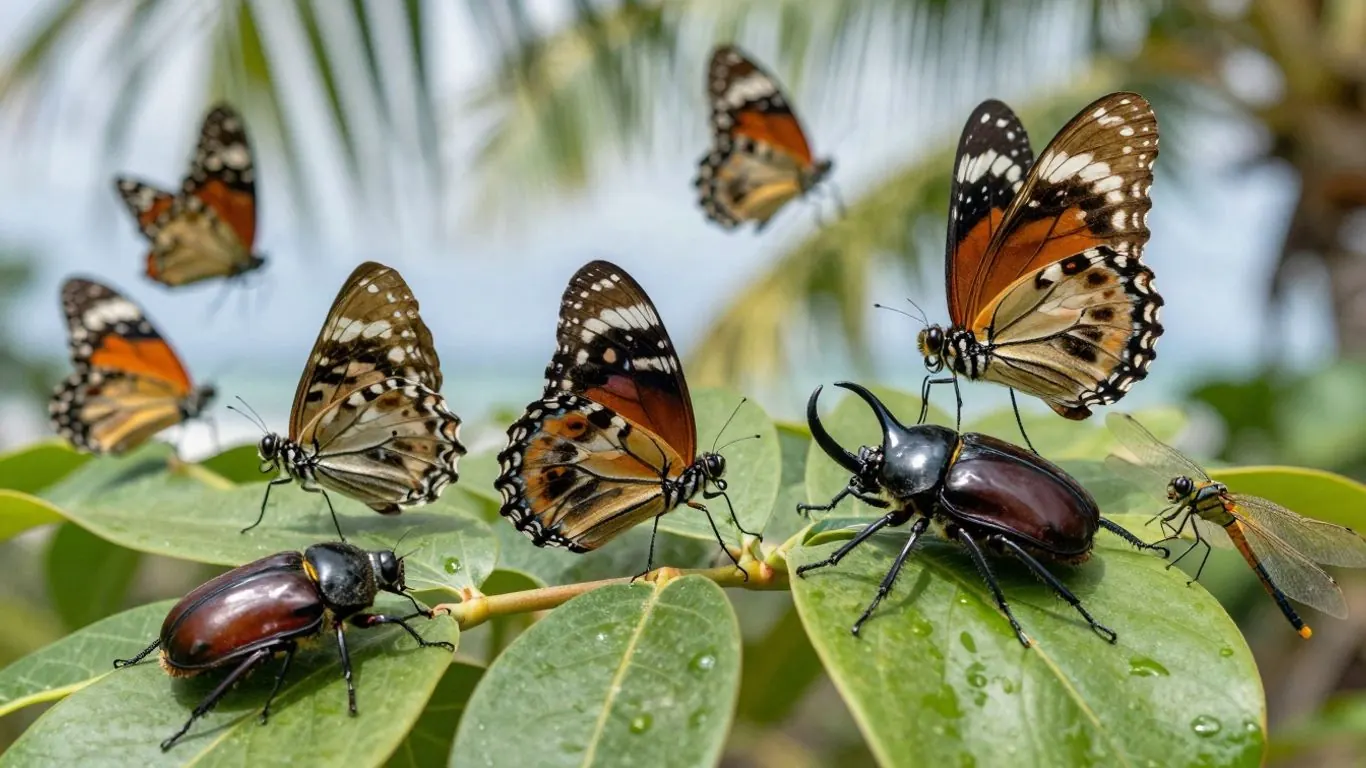
Mosquitoes and other biting insects can be part of a Fiji trip, especially outdoors. Rather than relying on a fixed claim about particular islands, seasons or accommodation, plan for bite prevention wherever you stay and check current public-health advice before travel.
Use bite prevention consistently
- Use an insect repellent exactly as directed on its label.
- Cover exposed skin with long sleeves, long trousers and a hat when practical.
- Choose screened or air-conditioned accommodation where possible, and use a bed net when sleeping areas are open to the outdoors.
- Do not apply permethrin directly to skin; use treated clothing or gear only as directed.
- Avoid scratching bites; seek medical advice if you feel unwell during or after travel.
Why this matters
The U.S. Centers for Disease Control and Prevention lists dengue and Zika among the mosquito-borne health considerations for travellers to Fiji. Fiji’s Ministry of Health also advises visitors to reduce mosquito bites and remove or cover standing-water containers around accommodation. These sources support prevention habits, not a prediction of an individual traveller’s risk.

Health and travel planning
Travel health advice can change. Discuss personal risks, medicines, pregnancy-related concerns and vaccinations with a qualified clinician before travel. Consult current government or health-authority information close to departure rather than relying on an old blog post.
What this guide does not claim
This guide does not rank islands, promise a completely bite-free stay, diagnose illness, or replace professional medical advice. It deliberately omits unsupported statements in the inherited article about exact insect prevalence, accommodation conditions and local remedies.
When and where bites are more likely
The mosquitoes that spread dengue bite mainly during the day, while other species are more active around dawn and dusk, so protection matters at all hours. Gardens, rainforest walks, river areas and any spot near standing water tend to have more insects than an open, breezy beach.
Choosing and using a repellent
Public-health agencies such as the CDC recommend registered repellents containing ingredients like DEET, picaridin, IR3535 or oil of lemon eucalyptus. Apply sunscreen first and repellent second, reapply after swimming or heavy sweating, and check the label for age limits before using a product on children.
- Carry a small bottle in your day bag for boat trips and village visits.
- Treat clothing with permethrin before travel only if you follow the product directions.
- Close screens at dusk and use the bed net if one is provided.
If you feel unwell
Seek medical advice promptly if you develop a fever, rash or aches during the trip or in the weeks afterwards, and tell the doctor that you have been in Fiji. Travel insurance that covers medical care is worth confirming before you leave; see the travel insurance guide.
Pregnancy and children
Zika infection during pregnancy can cause serious birth defects, so the CDC advises pregnant travellers and those planning a pregnancy to review its current Zika guidance for Fiji with a clinician before booking.
For children, apply repellent to your own hands first and then to the child, avoiding their hands, eyes and mouth, and follow the label’s age limits. Cover cots and strollers with netting in open-air rooms or gardens.
Around your accommodation
- Empty or cover any water-holding containers on balconies or around your bure, as Fiji’s Ministry of Health advises.
- Keep doors and screens closed from late afternoon.
- Run a fan or air conditioning at night; moving air makes it harder for mosquitoes to land.
- Tell the front desk if screens or nets are damaged.
Bites are most noticeable after rain, when puddles and containers fill, so keep up the routine even on a short stay.
Bite prevention through the trip
Pack repellent and light long-sleeved clothing in your carry-on so you are covered from the first evening, and keep them handy for boat days and rainforest walks.
Ask your accommodation whether rooms are screened or air-conditioned and whether bed nets are provided, especially for open-air bures and outer-island stays.
Frequently asked questions
Are mosquitoes a health concern in Fiji?
The U.S. CDC lists dengue and Zika among mosquito-borne health considerations for Fiji, so bite prevention is worth practising wherever you stay.
What is the most practical way to avoid bites?
Use repellent as directed on the label, cover skin when practical, and choose screened or air-conditioned rooms or a bed net in open sleeping areas.
Should I see a doctor before travel?
Yes, if you have health concerns, are pregnant or need advice on medicines or vaccinations. A clinician can advise on your personal risk; this guide cannot.